Tuesday, April 16, 2013

CHILD HEALTH PROBLEMS

Health Problems

Today, about one of three American kids and teens are overweight or obese, nearly triple the rate in 1963. Among children today, obesity is causing a broad range of health problems that previously weren’t seen until adulthood. These include high blood pressure, type 2 diabetes and elevated blood cholesterol levels. There are also psychological effects. Obese children are more prone to low self-esteem, negative body image and depression. 
However, there’s good news: Obesity can be stopped. And it doesn’t take high-tech treatments or cutting-edge medications. The solution begins and ends with the daily decisions we make. The American Heart Association is working to help kids and families live heart-healthy lives

Asthma

Asthma is a chronic disease that affects the airways that carry oxygen in and out of the lungs. If a person has asthma, the inside of these airways is irritated and swollen. Asthma can cause shortness of breath, wheezing, coughing, and tightness in the chest.
Asthma is a major chronic health problem for children. It can get in the way of normal things like playing outdoors, running, and even being around pets. Taking care of asthma can also be costly for families and healthcare systems.
In 2007, a CDC study showed that 34 million, or 1 in 9 Americans, had been diagnosed with asthma during their lifetimes. Of that 34 million, 12.3 million had experienced an asthma attack in the previous year. In 2006, asthma caused 1.6 million emergency department visits, and almost half a million hospitalizations.

Cancer

Click to show "Child cancer" result 22
About 12,500 children and adolescents under the age of 20 years are diagnosed with cancer each year. Childhood cancers remain a leading cause of childhood deaths in the United States, despite the fact that advances in health care and treatment have dramatically increased survival from these cancers.
The most common childhood cancers are leukemias, cancers of the blood cells. There are different kinds of childhood leukemia. The most common kinds are acute lymphocytic leukemia (ALL) and acute myelogenous leukemia (AML). Brain and other nervous system cancers are the second most common types of childhood cancers. Of the 12 major types of childhood cancer, leukemias and brain and other nervous system cancers account for 40% of all cases among children less than 20 years of age. Other childhood cancers include: lymphomas, sympathetic nervous system cancers, soft tissue sarcomas, renal tumors (Wilms tumor and renal carcinoma), bone tumors (osteosarcoma and Ewing sarcoma), malignant germ cell tumors, retinoblastomas, hepatic tumors, and other malignancies.

Lead

Childhood lead poisoning is preventable. Before some uses of lead were restricted, approximately 88% of preschool children in the United States had lead levels high enough to cause serious health effects. With less lead in the environment, lead poisonings have decreased and become less severe.
However, lead poisoning still occurs. Approximately 500,000 U.S. children aged 1-5 years have blood lead levels greater than 5 micrograms of lead per deciliter of blood , the level at which the Centers for Disease Control and Prevention (CDC) recommends public health interventions.

Developmental Disabilities

In the United States, about 1 in 6 children have a developmental disability. Developmental disabilities are a diverse group of severe chronic conditions that are due to mental and/or physical impairments. People with developmental disabilities have problems with major life activities such as language, movement, learning, self-help, and living by themselves.
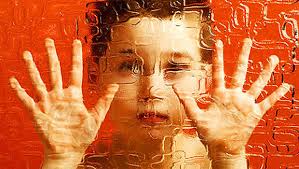
These disabilities can begin anytime during development up to age 22. Developmental disabilities usually last throughout a person's lifetime. The specific cause of most developmental disabilities is unknown. They may result from an interaction between genetic, environmental, and social factors. Many developmental disabilities are inherited and cannot be prevented. But some can be prevented or lessened by having a healthy pregnancy, by detecting and treating conditions early, and by preventing harmful exposures and injuries.

Socioeconomic Conditions

What happens in a population, or a group of people, can help determine how health problems and disease can happen over time.
Characteristics of a population include:
  • Sex,
  • Age,
  • Race and ethnicity, and
  • Socioeconomic factors, such as poverty.

These characteristics may be related to the number of new and existing cases of a particular disease in children. Socioeconomic factors, such as education, occupation, and income, are conditions that may affect how children live. Poverty affects families of all races and backgrounds and especially children. U.S. Census Bureau data show that an estimated 8.6% of Non-Hispanic whites, 24.7% of African Americans, 23.2% of Latino Americans, and 11.8% of Asian/Pacific Islander Americans are living in poverty. Research has shown that children living in families with very little money and no health insurance may have more poor health outcomes at birth and throughout their lives.

Healthy Meals for Kids

Good things come in small packages and mealtime is no exception. These healthy meals are perfect for popping into little mouths or picking up with tiny fingers. Your kids will delight in these bite-sized meals and snacks. Each meal is low in calories, provides a variety of healthy ingredients, and is so tasty even the big kids (a.k.a. Mom or Dad) will like them.

With each recipe, find suggestions for the parents to help make prep easier, to involve the children in the kitchen, or to add a unique, adult-friendly spin to the recipe. Best of all, you can feel good serving these healthy recipes to your children.

Diner Meat Loaf 'Muffins'

What child wouldn’t love a giant meatball? Molding meatloaf into muffin tins yields a perfectly portioned main attraction.  Each muffin has less than 150 calories and is loaded with finely chopped carrots and onions to provide extra antioxidants and fiber (but we guarantee you're kids won't even know they're there). The dish uses extra lean ground beef to keep the calories and fat low while providing high quality protein.

Parents, this recipe can be made ahead, wrapped individually, and frozen. Pull them out when you need a healthy and filling dinner in a hurry.

Honey-Ginger Chicken Bites

Ditch the greasy fried chicken fingers in favor of these sweet glazed chicken bites. They're the perfect size for popping into little mouths or serving on skewers (just make sure to use blunt-ended skewers for the little ones). Pair with rice and green beans for a hearty, kid-friendly meal. This dish is prepared with boneless, skinless chicken thighs but feel free to use chicken breasts if you have them on hand.

Parents, break out the toothpicks and serve these nibbles next time the gang gathers to watch a football game or play cards.

Veggie Piglets in Blankets with Dipping Sauce

Packed with soy protein from the veggie sausage, these little piglets are a reduced-fat version of the classic crescent-dough wrapped pigs-in-a-blanket. Whether for breakfast, lunch, or an afternoon snack, you only need two ingredients to make the piglets and 2 more ingredients for the dipping sauce. If you prefer traditional sausage, choose low-fat pork or turkey links to keep the calories and saturated fat to a minimum. Try barbeque sauce, ketchup, or low-fat Ranch dressing as an alternative to the homemade honey mustard.

Parents, give your kids confidence in the kitchen by inviting them to help prepare this simple dish. If your children are young, let them cut the dough with safety scissors then wrap the dough around the sausage links.

child health tips

General Tips for Keeping child Healthy

Keeping children healthy and happy is one of the most important and challenging goals for parents. The state of a child’s health often directly impacts a parent’s health and happiness because the child’s needs frequently take priority. All children are faced daily with a myriad of germs and immune stressors, as well as emotional challenges. They are constantly bombarded by runny noses, wheezing, and sneezes at school, playgroups, and sporting events, not to mention the never ending responsibilities placed on them at school. Standards of education, standardized testing, and amounts of homework have reached an all-time high, causing stress that easily equates to the stress parents feel at their jobs.
How do we take care of our children and give them the strength and support they need? It all begins at home. Ensuring your child has a regular routine during the school week is one of the most important things you can do for them. This includes getting at least 9-10 hours of restful sleep a night, so a regular bedtime is critical. Sound sleep is essential to physical and emotional health for both kids and parents alike. While we sleep our bodies digest our food and prep the body with hormone and enzyme production to face the challenges of the new day.
Food is the next component of a normal routine. Kids require 3 solid meals a day, plus snacks, starting with a protein-filled breakfast. All children must consume at least 5 servings of fruits and vegetables daily because these foods contain phytonutrients that simply cannot be found in a daily multivitamin. These nutrients are different from vitamins A, B, and C in that they contain other naturally occurring plant complexes that exist only in plant matter. These nutrients are in part what make blueberries blue and strawberries red and are often referred to as antioxidants. Antioxidants are important to cellular health and can provide integrity to the immune system, especially when it is being challenged.
A serving size of fruits and vegetables for children differs from an adult’s serving. An easy way to relate to a serving size is understanding that it is roughly the same size as what will fit in your palm. So the smaller you are, the smaller the serving size. For perspective, 15 grapes is the serving size amount for an adult, 10 grapes will fit into an older child’s palm, and a 4 year old may fit only 5 grapes into her little hands. This will help you understand how much a serving size is for a child.
A commonly asked question is, What can I give my children on a regular basis besides fruits and vegetables that can help support a healthy immune system? A great-tasting, highly antioxidant choice is Black Elderberry. Foods that are commonly deep blue to purple in color have a specific type of antioxidant called anthocyanins. When fresh blueberries are no longer in season, Black Elderberry Syrup is a great choice and is easy for kids to take because of its pleasant taste. I recommend ½ tsp as a daily supportive dose, but it can be increased to 3 times a day if an immune challenge occurs.*
But what can you do when your child does begin to feel a bit under the weather this season? Reach for Gaia Herbs Echinacea for Children or Echinacea Goldenseal for Children. These liquid extracts are in a sweet-tasting glycerin base and can be taken alone or mixed with juice. Dosing these frequently at onset can help bring rapid relief to your child.* Also, Gaia’s herbal Ear Drops can be used throughout the day and at bedtime to bring relief to mild irritation of the ears that often accompanies seasonal immune challenges.*
  • Between 1990 and 2010, under-five mortality dropped by 35% worldwide

  • Yet, every day, nearly 21 000 children under-five die mostly from preventable causes.
  • 99% of all under-five deaths occur in developing countries.
  • About three-quarters of all child deaths happen in two WHO regions (Africa and South-east Asia) where childhood mortality continues to be very high.
  • More than 50% of these deaths are clustered in only six countries: China, Democratic Republic of the Congo, Ethiopia, India, Nigeria, and Pakistan.
  • Under-five mortality is higher in rural areas and among poorer and less educated communities.
  • Three-quarters of all child deaths are mainly due to preventable causes: neonatal conditions, pneumonia, diarrhoea, malaria, and measles. Many of these deaths could be averted by known, affordable, low-technology interventions.
  • Appropriate infant and young child feeding and the prevention and management of diarrhea, pneumonia, malaria and HIV infection can save the lives of millions of under-five children.
  • Coverage of key child health interventions is low and unequally distributed between and within countries.
  • Strengthening the health system and integrating the interventions into packages of care that can be delivered at all levels – from home to hospital – during pregnancy, childbirth, neonatal period, and childhood will be key to increasing the coverage of health interventions and saving the lives of under-five children.
  • Good quality information for evidence-based decisions and planning is lacking.

Millennium Development Goals (MDGs)

The Department of Maternal, Newborn, Child and Adolescent Health directly addresses two of the eight Millennium Development Goals (MDGs), adopted by the international community in the year 2000 1.
Under MDGs 4 and 5, respectively, countries are committed to:
  • Reduce child mortality (MDG4): Target 4.A - to reduce by two thirds, between 1990 and 2015, under-five mortality; and
  • Improve maternal health (MDG5): Target 5.A - to reduce the maternal mortality ratio by three quarters between 1990 and 2015
Recent data show that some progress has been made in reducing maternal, newborn and under-five mortality, but not swiftly enough to reach the aimed targets by 2015. MDGs 4 and 5 are the furthest of the eight Goals from being achieved by 2015.
Efforts need to be expanded and intensified to accelerate progress towards reducing the still very wide disparities between developing and developed worlds as well as to provide universal coverage of key interventions over the continuum of care.

Under-five mortality

7.6 million under-five children died in 2010 . The risk of death among under-fives is highest closest to birth and then decreases over the subsequent days, months, and years. An estimated 3 million deaths, or 40% of all under-five deaths, occurred during the first 28 days after birth, and 2.4 million deaths in the following 11 months, meaning that 5.4 million deaths (71% of all under-five deaths) happened within the first year of life. Roughly the same number of deaths that took place between 1-11 months of age, also occurred over the next four-year age period (2.2 million).